






Table of Contents
- Why Safety Vest Class Matters
- What Is a Class 2 Safety Vest?
- What Is a Class 3 Safety Vest?
- Main Differences Between Class 2 and Class 3 Safety Vests
- When You Should Use a Class 2 Safety Vest
- When You Should Use a Class 3 Safety Vest
- Which Safety Vest Is OSHA Compliant?
- Reflective Coverage Differences
- Comfort vs Maximum Protection
- Common Buying Mistakes
- How to Choose the Right Safety Vest for Your Team
- Where to Buy High-Visibility Safety Vests
- FAQ
Why Safety Vest Class Matters
Not all job sites have the same level of risk.
A warehouse worker directing forklifts faces very different visibility hazards compared to a highway construction crew working at night.
That’s why ANSI safety vest classifications exist. They help employers choose the correct level of visibility protection based on the work environment.
The two most commonly used options in professional environments are:
- Class 2 safety vests
- Class 3 safety vests
Understanding the difference between them is critical for:
- Worker safety
- OSHA compliance
- Reducing liability
- Improving visibility in dangerous conditions
What Is a Class 2 Safety Vest?
Class 2 safety vests are designed for environments where workers are exposed to moderate traffic and visibility risks.
These vests provide:
- More reflective coverage than Class 1
- Brighter fluorescent material
- Improved daytime and nighttime visibility
Common Uses for Class 2 Safety Vests
- Construction sites
- Utility work
- Airport ground crews
- School crossing guards
- Event traffic management
Class 2 vests are often considered the standard choice for general construction and roadside work.
Key Features
- Reflective striping across the torso
- Fluorescent background colors
- Sleeveless or short-sleeve designs
- Lightweight and breathable options available
If you want to compare different Class 2 options for your team, you can browse available products here
https://safetysuppliesusa.com/collections/safety-vests
What Is a Class 3 Safety Vest?
Class 3 safety vests provide the highest level of visibility under ANSI standards.
They are designed for workers operating in:
- High-speed traffic zones
- Low-light conditions
- High-risk roadside environments
Common Uses for Class 3 Safety Vests
- Highway construction
- Night roadwork
- Emergency response operations
- Traffic control crews
- Heavy roadside maintenance
Key Features
- Maximum reflective coverage
- Visibility from longer distances
- Reflective material on sleeves and shoulders
- Greater visibility in all directions
Class 3 garments are designed to make workers visible even in the most dangerous conditions.
Main Differences Between Class 2 and Class 3 Safety Vests
The biggest difference between Class 2 and Class 3 safety vests is the amount of visibility protection provided.
Visibility Level
Class 3 provides significantly more reflective and fluorescent coverage.
Traffic Exposure
Class 2 is intended for moderate-risk environments, while Class 3 is designed for high-speed traffic zones.
Coverage Area
Class 3 vests often include sleeves or additional reflective material around the arms and shoulders.
Best Environment
- Class 2 → General construction and moderate traffic
- Class 3 → Highways, night work, and dangerous roadside operations
Worker Recognition Distance
Class 3 garments allow drivers and equipment operators to identify workers from farther away.
When You Should Use a Class 2 Safety Vest
Class 2 safety vests are ideal when workers:
- Operate near traffic under 50 mph
- Work during daylight hours
- Need moderate visibility protection
- Are in controlled construction environments
Best Applications
- Daytime construction projects
- Event management
- Utility maintenance
- Parking operations
For many companies, Class 2 strikes the right balance between comfort, mobility, and visibility.
When You Should Use a Class 3 Safety Vest
Class 3 safety vests should be used when workers face higher visibility risks.
This includes:
- High-speed roadways
- Nighttime operations
- Poor weather conditions
- Complex traffic environments
Best Applications
- Highway construction
- Emergency roadside response
- Night utility repairs
- Traffic flagging operations
If visibility conditions are severe, Class 3 is usually the safer choice.
Which Safety Vest Is OSHA Compliant?
Both Class 2 and Class 3 safety vests can be OSHA compliant if they meet ANSI/ISEA 107 standards.
The key is selecting the correct class for the specific work environment.
OSHA expects employers to:
- Assess visibility hazards
- Provide appropriate PPE
- Match safety gear to risk levels
Using a lower-class vest in a high-risk area can still create compliance problems even if the vest itself meets ANSI standards.
Reflective Coverage Differences
Reflective material plays a major role in visibility performance.
Class 2 Reflective Coverage
- Moderate reflective striping
- Primarily torso visibility
- Suitable for moderate-risk environments
Class 3 Reflective Coverage
- Maximum reflective striping
- Full-body visibility emphasis
- Better visibility from multiple angles
This added coverage becomes especially important in:
- Rain
- Fog
- Nighttime operations
- High-speed traffic areas
Comfort vs Maximum Protection
Some employers hesitate to use Class 3 gear because it can feel heavier or warmer.
Advantages of Class 2
- Lightweight
- More breathable
- Greater mobility
- Comfortable for long daytime shifts
Advantages of Class 3
- Highest visibility available
- Better long-distance recognition
- Stronger protection in dangerous conditions
The decision often comes down to balancing comfort with the level of risk.
Common Buying Mistakes
Choosing Based Only on Price
Cheaper vests may not meet ANSI standards or provide long-term durability.
Underestimating Job Site Risks
Many teams use lower visibility classes than their environment actually requires.
Ignoring Weather Conditions
Rain, fog, and nighttime work dramatically increase visibility risks.
Buying Non-Compliant Products
Always verify ANSI compliance before purchasing.
Forgetting Worker Comfort
Comfort affects whether workers consistently wear their safety gear.
How to Choose the Right Safety Vest for Your Team
Start by evaluating:
- Traffic speed
- Lighting conditions
- Worker proximity to vehicles
- Weather exposure
- Duration of work shifts
Quick Recommendation Guide
Choose Class 2 If:
- Work is primarily daytime
- Traffic speeds are moderate
- Visibility conditions are stable
Choose Class 3 If:
- Workers are near highways
- Night operations are common
- Visibility conditions are poor
If you’re unsure, it’s often safer to choose the higher visibility class.
To compare different safety vest options for your industry, you can explore available products here
https://safetysuppliesusa.com/collections/safety-vests
Pair Safety Vests with Proper Traffic Control Equipment
High-visibility clothing works best when combined with proper traffic control measures.
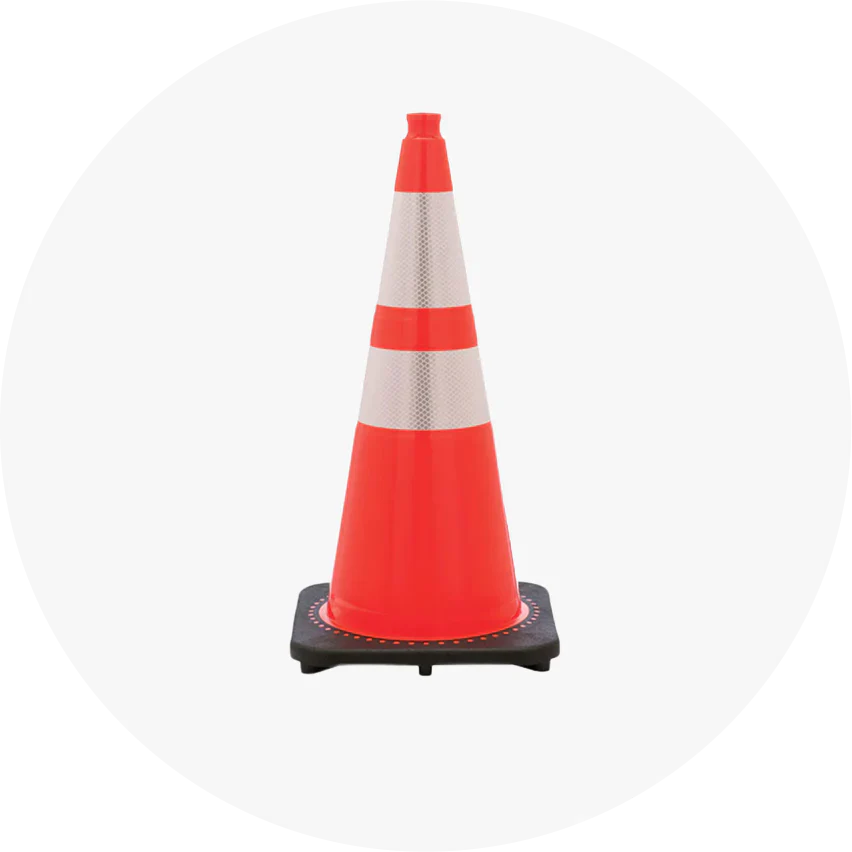
For construction zones, municipal projects, and event operations, traffic cones help improve organization and worker safety.
You can also browse traffic control equipment here
https://safetysuppliesusa.com/collections/traffic-cones
Combining reflective safety gear with effective traffic management creates a safer environment for both workers and the public.
Where to Buy High-Visibility Safety Vests
Choosing the right supplier is essential for safety and compliance.
A reliable supplier should offer:
- ANSI-compliant products
- Multiple visibility classes
- Durable materials
- Bulk purchasing options
- Consistent product quality
You can explore professional-grade safety vests and traffic safety equipment at
Having the right gear helps improve workplace safety while supporting compliance and operational efficiency.
FAQ
What is the main difference between Class 2 and Class 3 safety vests?
Class 3 safety vests provide greater reflective coverage and are designed for higher-risk environments.
Is Class 3 better than Class 2?
Class 3 offers more visibility protection, but the right choice depends on the work environment and level of risk.
Do highway workers need Class 3 safety vests?
Yes, highway and high-speed roadway workers typically require Class 3 visibility protection.
Are Class 2 safety vests OSHA compliant?
Yes, if they meet ANSI standards and are appropriate for the work environment.
Can Class 2 vests be used at night?
They can be used in some low-risk nighttime environments, but Class 3 is generally safer for night operations.
The right safety vest can make a major difference in visibility, compliance, and worker protection. Explore high-visibility safety gear at https://safetysuppliesusa.com and find the right solution for your job site today.