







Table of Contents
- Why Traffic Cones Matter More Than People Think
- Is It Illegal to Take Traffic Cones?
- Is It Illegal to Move Traffic Cones?
- Why Traffic Cones Are Protected by Law
- What Happens If Someone Removes a Traffic Cone?
- Traffic Cone Theft and Liability Risks
- Common Situations Where Traffic Cones Are Misused
- Who Owns Traffic Cones?
- How Businesses and Cities Prevent Cone Theft
- Choosing Durable Traffic Cones for Public Safety
- Where to Buy Reliable Traffic Cones
- FAQ
Why Traffic Cones Matter More Than People Think
Most people see traffic cones as simple objects used to block off roads or guide traffic.
But in reality, traffic cones are important safety devices designed to:
- Prevent accidents
- Protect workers
- Guide drivers safely
- Mark hazardous areas
- Improve traffic flow
Whether used on highways, construction sites, parking lots, or public events, traffic cones help create organized and safer environments.
Because they play a direct role in public safety, traffic cones are often protected under local and state laws.
Is It Illegal to Take Traffic Cones?
In most cases, yes.
Taking traffic cones without permission is generally considered theft because the cones belong to:
- Government agencies
- Construction companies
- Event organizers
- Utility providers
- Private businesses
Even if a cone appears abandoned, removing it can still create legal and safety issues.
Possible Consequences
Depending on the location and situation, taking traffic cones may result in:
- Fines
- Misdemeanor charges
- Theft-related penalties
- Liability for accidents caused afterward
In some cases, removing a traffic cone from an active work zone can lead to much more serious legal consequences if it contributes to an injury or accident.
Is It Illegal to Move Traffic Cones?
Moving traffic cones can also be illegal if it interferes with traffic control or creates unsafe conditions.
Traffic cones are carefully placed to:
- Redirect vehicles
- Mark hazards
- Protect workers
- Separate pedestrians from traffic
Moving them without authorization may:
- Confuse drivers
- Disrupt work zones
- Increase accident risk
- Expose workers to danger
Even temporary movement can create serious safety problems, especially in active construction or roadway environments.
Why Traffic Cones Are Protected by Law
Traffic cones are considered part of a larger traffic safety system.
Government agencies and safety organizations treat them as official traffic control devices because they help:
- Maintain order
- Prevent collisions
- Improve driver awareness
- Protect public infrastructure projects
When cones are removed or repositioned improperly, the entire safety setup can become ineffective.
That’s why many municipalities enforce strict penalties for tampering with traffic control equipment.
What Happens If Someone Removes a Traffic Cone?
The consequences depend on the situation.
Minor Situations
In less severe cases, someone may simply receive a warning or fine.
Serious Situations
If removing a cone contributes to:
- Vehicle accidents
- Worker injuries
- Property damage
- Traffic disruption
the legal consequences can become much more serious.
In construction zones and highway work areas, removing cones can create immediate hazards for both workers and drivers.
Traffic Cone Theft and Liability Risks
Traffic cone theft is more common than many businesses expect.
Unfortunately, stolen cones create both financial and operational problems.
Risks for Businesses and Organizations
- Increased replacement costs
- Delayed projects
- Reduced work zone safety
- Liability exposure
Risks for Individuals
Someone who removes cones and indirectly causes an accident may face legal liability.
For example, if a missing cone leads to a collision or unsafe traffic condition, investigators may treat the removal as contributing negligence.
Common Situations Where Traffic Cones Are Misused
Traffic cones are frequently misused in both public and private settings.
Saving Parking Spaces
People sometimes place cones in public parking spots without authorization.
Blocking Roads Without Permission
Unauthorized use can confuse drivers and create traffic issues.
Taking Cones as Pranks or Decorations
While some people treat traffic cones casually, removing official traffic control equipment can still carry penalties.
Moving Cones for Convenience
Drivers or pedestrians occasionally move cones to bypass closures, which can create dangerous conditions.
Understanding these risks helps reinforce why cones should only be handled by authorized personnel.
Who Owns Traffic Cones?
Traffic cones may be owned by:
- Construction companies
- Local governments
- State transportation departments
- Utility contractors
- Event management companies
Ownership matters because removing cones without permission is generally treated as theft or tampering with safety equipment.
Professional-grade traffic cones are also expensive when purchased in large quantities, especially reflective or DOT-compliant models.
How Businesses and Cities Prevent Cone Theft
Because cone theft is common, many organizations take steps to reduce losses.
Using Branded Equipment
Some companies label cones with logos or identification numbers.
Choosing Heavier Cones
Larger, heavier cones are harder to remove casually.
Proper Storage
Cones are often secured when not in use.
Surveillance and Monitoring
Active work zones may use cameras or staff monitoring to discourage theft.
Purchasing Durable Replacement Inventory
Many organizations keep backup cones available to avoid project interruptions.
If your team needs durable traffic control equipment for long-term use, you can explore available options here
https://safetysuppliesusa.com/collections/traffic-cones
Choosing Durable Traffic Cones for Public Safety
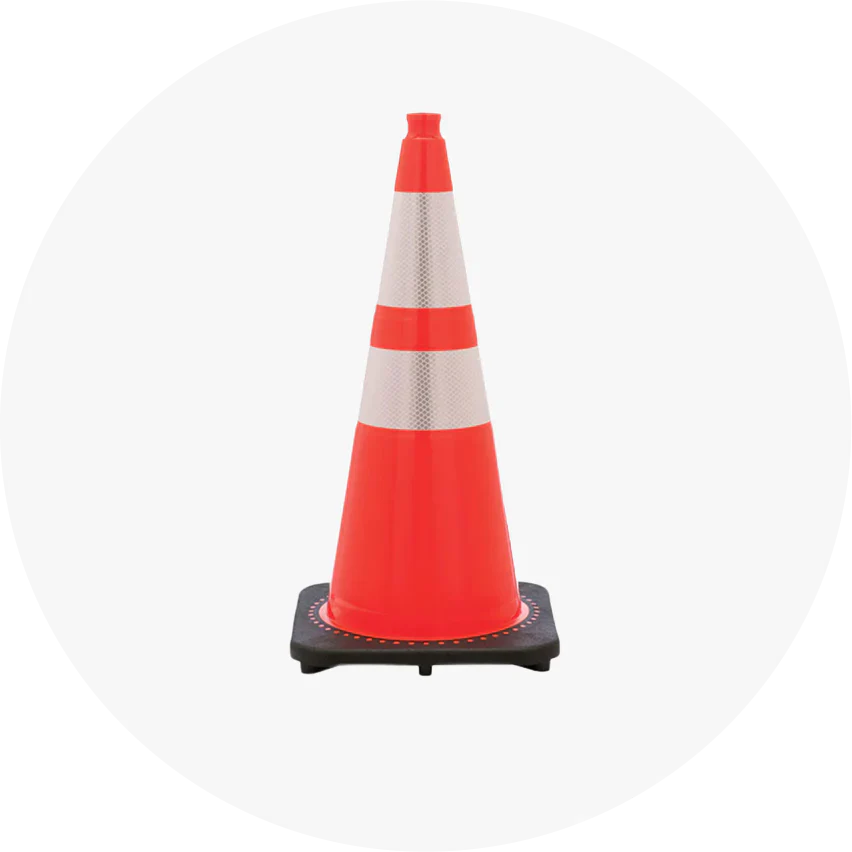
High-quality traffic cones improve both visibility and durability.
When choosing cones, look for:
- Reflective collars
- UV-resistant materials
- Weighted bases
- Flexible PVC construction
- Compliance with roadway standards
Durable cones are especially important for:
- Construction sites
- Municipal operations
- Highway work
- Large-scale events
Higher-quality cones may cost more initially, but they often last significantly longer under heavy use.
Pair Traffic Cones with High-Visibility Safety Gear
Traffic cones are most effective when combined with proper worker visibility.
For crews working near traffic or in public environments, reflective safety vests help improve:
- Driver awareness
- Worker visibility
- Site organization
- Overall safety compliance
You can also explore ANSI-compliant high-visibility safety gear here
https://safetysuppliesusa.com/collections/safety-vests
Using both cones and reflective PPE helps create safer work zones for workers and the public.
Where to Buy Reliable Traffic Cones
Whether you manage construction projects, events, or municipal operations, having reliable traffic cones is essential.
A trusted supplier should provide:
- Durable construction
- Reflective safety options
- Multiple cone sizes
- Bulk ordering availability
You can browse professional traffic control equipment at
https://safetysuppliesusa.com/collections/traffic-cones
Investing in high-quality equipment helps reduce replacement costs while improving overall safety performance.
FAQ
Is it illegal to steal traffic cones?
Yes, traffic cones are considered property and removing them without permission is generally illegal.
Can you get fined for taking traffic cones?
Yes, fines and other penalties may apply depending on local laws and the situation.
Is moving a traffic cone illegal?
It can be illegal if it disrupts traffic control or creates unsafe conditions.
Why are traffic cones important?
Traffic cones help guide traffic, protect workers, and improve safety in hazardous or restricted areas.
Who is responsible for traffic cone placement?
Authorized personnel such as construction crews, municipalities, or event organizers are typically responsible.
Traffic cones play a critical role in protecting workers, drivers, and pedestrians. Explore durable, high-visibility traffic control equipment at https://safetysuppliesusa.com and build safer work zones for every project.