






Table of Contents
- Why Traffic Cone Size Matters
- Standard Traffic Cone Sizes Explained
- When to Use 12-Inch Traffic Cones
- When to Use 18-Inch Traffic Cones
- When to Use 28-Inch Traffic Cones
- When to Use 36-Inch Traffic Cones
- Traffic Cone Size Requirements for Different Industries
- Reflective vs Non-Reflective Traffic Cones
- Common Traffic Cone Buying Mistakes
- How Many Traffic Cones Do You Need?
- How to Choose the Right Traffic Cone for Your Project
- Where to Buy High-Quality Traffic Cones
- FAQ
Why Traffic Cone Size Matters
Choosing the right traffic cone size is more important than most people realize.
A cone that is too small may not provide enough visibility, while an oversized cone may be unnecessary for low-risk environments.
Traffic cone size affects:
- Visibility distance
- Stability in outdoor conditions
- Compliance with traffic safety standards
- Driver reaction time
- Overall work zone safety
For construction firms, event organizers, and local governments, choosing the proper cone size helps improve organization while reducing safety risks.
Standard Traffic Cone Sizes Explained
Traffic cones are commonly available in four main sizes:
- 12-inch cones
- 18-inch cones
- 28-inch cones
- 36-inch cones
Each size is designed for different visibility needs and environments.
Understanding where each cone works best can help prevent unnecessary spending while improving safety performance.
When to Use 12-Inch Traffic Cones
12-inch cones are the smallest standard traffic cones and are designed for low-risk environments.
Best Uses
- Indoor facilities
- Warehouses
- Parking garages
- Small reserved areas
- Light pedestrian guidance
Advantages
- Lightweight
- Easy to store
- Portable
- Affordable
Limitations
Because of their small size, they are not suitable for:
- Public roads
- High-speed traffic
- Large outdoor spaces
Visibility becomes limited at longer distances, especially in poor lighting conditions.
When to Use 18-Inch Traffic Cones
18-inch traffic cones are commonly used for light-duty outdoor applications.
Best Uses
- Parking lot management
- Event traffic control
- School zones
- Small construction areas
- Temporary pedestrian rerouting
Advantages
- Better visibility than 12-inch cones
- Easy to transport
- Versatile for temporary setups
Limitations
While they work well in moderate environments, they may not provide enough visibility for:
- High-speed traffic
- Highway projects
- Major road construction
For many event organizers and facility managers, 18-inch cones are a practical and cost-effective choice.
If you want to compare available cone sizes for your operations, you can browse options here
https://safetysuppliesusa.com/collections/traffic-cones
When to Use 28-Inch Traffic Cones
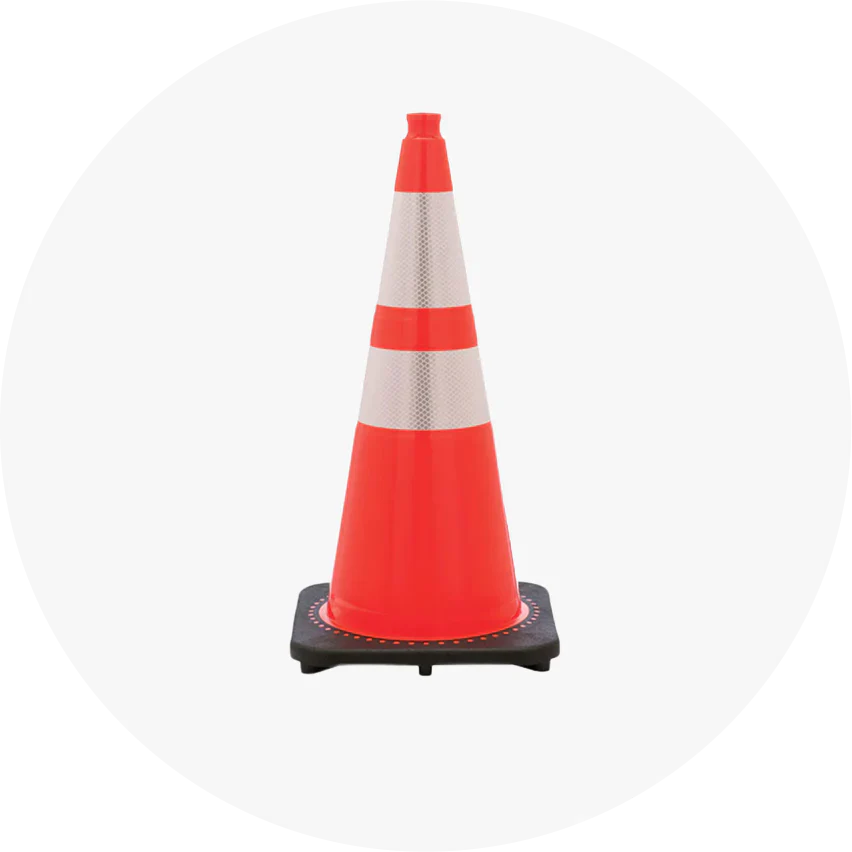
28-inch traffic cones are considered the industry standard for construction and roadway work.
Best Uses
- Construction zones
- Utility work
- Municipal projects
- Public roadway maintenance
- Lane control
Advantages
- High visibility
- Better stability outdoors
- Often compliant with roadway safety standards
- Suitable for moderate to high traffic areas
Why 28-Inch Cones Are Popular
They provide a strong balance between:
- Visibility
- Portability
- Compliance
- Durability
For many professional crews, 28-inch cones are the most practical all-around option.
When to Use 36-Inch Traffic Cones
36-inch traffic cones provide maximum visibility and are designed for the most demanding environments.
Best Uses
- Highway construction
- High-speed traffic areas
- Night operations
- Emergency response zones
- Major infrastructure projects
Advantages
- Excellent long-distance visibility
- Greater stability in wind and traffic drafts
- Better driver awareness at high speeds
Why They Matter
In high-speed environments, drivers need more time to react. Larger cones improve recognition distance and help create safer work zones.
Many DOT and highway operations prefer or require 36-inch cones because of their visibility performance.
Traffic Cone Size Requirements for Different Industries
Different industries have different visibility and compliance needs.
Construction
Most projects use:
- 28-inch cones for standard roadwork
- 36-inch cones for highways and major traffic exposure
Event Management
18-inch cones are often sufficient for:
- Parking control
- Crowd direction
- Temporary event layouts
Municipal Operations
Government crews commonly use:
- 28-inch cones for maintenance work
- 36-inch cones for road repairs and high-speed areas
Warehousing and Industrial Facilities
12-inch or 18-inch cones are often enough for:
- Hazard marking
- Equipment zones
- Pedestrian separation
Choosing the right cone size helps balance safety and budget efficiency.
Reflective vs Non-Reflective Traffic Cones
Size is important, but visibility features matter too.
Reflective Traffic Cones
Best for:
- Night work
- Road construction
- Low-light conditions
- Highway operations
Reflective collars improve visibility when illuminated by headlights.
Non-Reflective Traffic Cones
Best for:
- Indoor use
- Daytime operations
- Controlled environments
For most outdoor professional applications, reflective cones are the safer option.
Common Traffic Cone Buying Mistakes
Buying Cones That Are Too Small
Small cones may save money upfront but often fail to provide adequate visibility.
Ignoring Compliance Requirements
Public roadway work may require specific cone sizes and reflective standards.
Choosing Low-Quality Materials
Cheap cones fade, crack, or lose flexibility faster.
Not Buying Enough Cones
Insufficient traffic control devices reduce work zone effectiveness.
Overlooking Weather Conditions
Wind and outdoor exposure require heavier and more durable cones.
How Many Traffic Cones Do You Need?
The number of cones depends on:
- Work zone size
- Traffic speed
- Layout complexity
- Safety regulations
General Recommendations
Small Events or Parking Control
10 to 20 cones may be enough.
Construction Sites
20 to 100+ cones depending on lane closures and project scale.
Highway Projects
Large-scale projects may require hundreds of cones for proper spacing and visibility.
Planning ahead helps avoid delays and safety gaps.
How to Choose the Right Traffic Cone for Your Project
Before buying, evaluate:
- Traffic speed
- Lighting conditions
- Indoor vs outdoor use
- Compliance requirements
- Frequency of use
Quick Buying Guide
Choose 12-Inch Cones If:
- You need indoor hazard marking
- Visibility requirements are low
Choose 18-Inch Cones If:
- You manage parking or events
- Traffic exposure is moderate
Choose 28-Inch Cones If:
- You work in construction or utility operations
- Public roadway visibility is important
Choose 36-Inch Cones If:
- You operate on highways
- Night visibility is critical
- Maximum safety is required
If you’re unsure, larger cones are usually the safer choice in outdoor environments.
To compare professional-grade traffic cone options, you can explore products here
https://safetysuppliesusa.com/collections/traffic-cones
Pair Traffic Cones with High-Visibility Safety Vests
Traffic cones work best when combined with visible worker PPE.
For construction crews, event staff, and municipal teams, high-visibility safety vests help improve:
- Worker visibility
- Traffic awareness
- Overall site safety
You can also browse ANSI-compliant safety gear here
https://safetysuppliesusa.com/collections/safety-vests
Using both traffic cones and reflective safety vests creates a safer environment for workers and the public.
Where to Buy High-Quality Traffic Cones
Professional environments require reliable equipment.
A quality supplier should offer:
- Multiple cone sizes
- Reflective options
- Durable materials
- Bulk ordering for teams and organizations
You can explore professional-grade traffic cones and safety equipment at
Choosing the right products helps improve safety, compliance, and long-term durability.
FAQ
What size traffic cone is best for construction?
28-inch traffic cones are the most commonly used size for construction and roadway projects.
Are 18-inch traffic cones legal for roadwork?
They may work for small or low-speed environments, but larger cones are usually preferred for public roads.
When should I use 36-inch traffic cones?
36-inch cones are best for highways, nighttime operations, and high-speed traffic zones.
Do traffic cones need reflective collars?
Reflective collars are highly recommended and often required for low-light and roadway environments.
What traffic cone size is best for events?
18-inch cones are commonly used for event parking and crowd management.
Choosing the right traffic cone size can improve visibility, safety, and overall work zone efficiency. Explore durable traffic cones and professional safety equipment at https://safetysuppliesusa.com and find the right setup for your next project.