
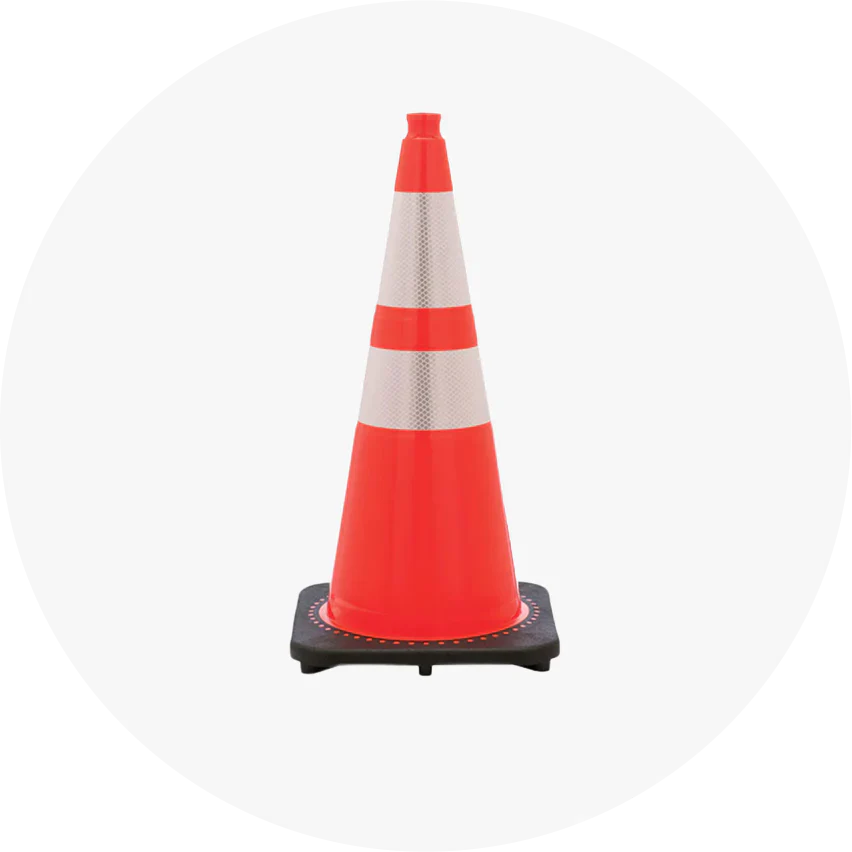







What is that single thing that nighttime work zones should not compromise on? Visibility. The secret to keeping drivers alert and crews safer is the traffic drum. Is your traffic drum compliant with these needs? Let’s uncover how to make these drums the right fit for their goals.
Traffic Drums in 30 Seconds
Avid shoppers here on Safety Supplies USA know what these traffic drums are, even with their eyes closed. But, for those who just walked-in, here are traffic drums in a nutshell before proceeding to the talk.
Traffic drums, also called traffic barrels, are large, highly visible safety devices used to guide vehicles through construction zones, road work areas, and temporary traffic changes. They are usually bright orange with reflective bands so drivers can easily see them, especially at night or in bad weather.
From improved safety, to durability and stability, traffic drums have several benefits. Key features often include high-intensity reflective stripes for nighttime visibility, stackable designs for easy transport and storage, and light mounts for warning lights in low-visibility conditions.
Challenges of Nighttime Work Zones
It is inevitable for companies to deploy workers during the night since this is the only moment they can carry out their projects without disturbing the motorists who are around during the morning and afternoon. This is the foremost reason why nighttime work zones are existing. For instance, some firms are ordering the construction of high-stake buildings like underground train stations and huge malls so as not to disturb the general public. Though, there are other reasons why these zones are set up.
A nighttime work zone is a construction or maintenance area active between dusk and dawn, designed to reduce daytime traffic congestion, avoid heat-related illnesses, and increase productivity. These zones require enhanced safety measures, including specialized artificial lighting, high-visibility clothing, and increased signage, due to significantly lower visibility for drivers and workers.
What is it like to work in a nighttime work zone? Working in a nighttime work zone requires focus and caution. Crews rely on reflective gear, bright lighting, and visible traffic control devices while managing noise, fatigue, and moving vehicles nearby. But, without the presence of sunlight, everything changes. The top challenges of working in a nighttime work zone are:
-
Reduced visibility: Low light levels make it difficult for drivers to see workers and for equipment operators to spot nearby ground personnel.
-
Driver impairment: Night shifts coincide with higher rates of intoxicated, fatigued, or speeding motorists, significantly increasing the risk of erratic vehicle behavior.
-
Worker fatigue: Operating against the body's natural circadian rhythm leads to reduced alertness, slower reaction times, and a higher likelihood of errors.
-
Glare hazards: Artificial site lighting and high-beam headlights can blind workers and drivers, creating dangerous "blackout" spots within the active work area.
-
Communication gaps: Shadows and noise interference make hand signals and verbal cues harder to interpret, requiring more rigorous and redundant signaling protocols.
Cue in: the traffic drum.
Advantages of Traffic Drums in Nighttime Work Zones
There are several advantages that traffic drums offer for nighttime work zones, but these are the most glaring:
1. Enhanced Visibility for Nighttime Safety
Traffic drums provide superior visibility in low-light environments because of their large cylindrical shape and wide reflective bands. Reflective traffic drums for night work help headlights illuminate the device clearly from a distance, giving drivers more time to react and adjust their path. In nighttime work zones, this improved visibility significantly reduces confusion and potential collisions.
2. Stronger Driver Recognition and Compliance
Compared with smaller channelizing devices like cones, traffic drums create a more authoritative and noticeable physical presence on the roadway. For instance, traffic drums for road work zones. Their larger size and prominent design command greater driver attention, which encourages motorists to slow down and follow the designated traffic path. This increased compliance is especially important in nighttime construction zones where visibility and driver awareness are reduced. This is why it’s important to always purchase traffic drums that adhere to the industry’s highest standards, like your MUTCD-compliant traffic drums.
3. Improved Traffic Guidance and Work Zone Protection
Another area that shouldn’t get compromised is the wellness of the workers. Traffic drums help clearly channelize vehicles through lane shifts, tapers, or closures, ensuring smooth and predictable traffic flow around construction activities. By marking safe travel paths and separating vehicles from workers and equipment, they reduce the risk of accidental intrusions into the work area. This guidance is critical in temporary traffic control zones where conditions frequently change.
Wrapping Up
Making traffic drums visible and compliant in nighttime work zones protects crews and drivers alike. Proper placement, reflective materials, and lighting ensure safer roads while helping projects meet traffic safety standards. Shop your nighttime traffic drums now on the Safety Supplies USA store.